

A Complete List of Seated Yoga Poses
Contents
Therefore, seated poses are the way to begin with yoga. Not all poses listed below in the table are meant for beginners though. Try them as per your level and physical condition.
Tips for seated yoga poses
With a little help from yoga accessories and props like blocks, straps, bolsters, etc. one can ease as well deepen their yoga practice.
- In forward bends, if you feel difficult to bend forward and stretch, sit on a small block to ease.
- You can also use a strap or belt, hold its ends in your hands and wrap around foot to deepen your practice and stretch more.
- Beginners with tight hamstrings are advised to place a rolled towel beneath the knees in forward bending poses to avoid cases of hyper extended knee and over stretched hamstrings.
- For back bends like Camel pose, take help of a wall to crawl down and grab your ankles.
- Place soft blanket beneath your knees and palms when performing poses in table top position or where you balance weight on knees and palms.
Correcting spine alignment
Alignment of back is crucial in seated postures. To check whether yours is proper or not, follow the steps given below:
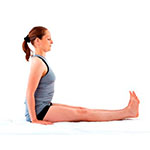
- Take a place near wall and get into Lotus pose, Staff pose or Easy pose.
- With your back towards the wall, sit relaxed – shoulders relaxed, hands on knees or in center placed one palm over another and gaze forward.
- Now, notice the parts touching wall.
- Correct alignment: Only your shoulder blades and pelvis should touch the wall.
- Incorrect alignment: Middle back touching the wall.
- Once you are aware of your spine alignment, sit proper and take in a few deep breaths. Check alignment again.
- Do this exercise twice each day for permanent correction of your seated posture.
Bonus tip: A good pre-workout supplement can help you make the most of your yoga.
All Sitting Poses (Table with benefits and pictures)
| Yoga Poses (asanas) with benefits | Pose Image |
|---|---|
Archer’s Pose (Akarna Dhanurasana)
|
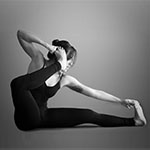 |
Bharadvaja’s Twist (Bharadvajasana)
|
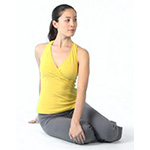 |
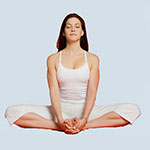
Bound Angle / Cobbler’s / Butterfly Pose (Baddha Konasana)
|
 |
Camel Pose (Ustrasana)
|
 |
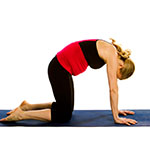
Cat Pose (Bidalasana / Marjaryasana)
|
 |
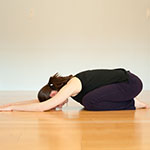
Child Pose (Balasana)
|
 |
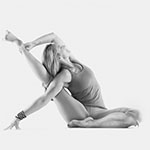
Compass Pose (Parivrtta Surya Yantrasana)
|
 |
Cow Face Pose (Gomukhasana)
|
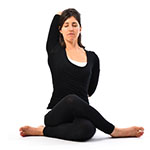 |
Cow Pose (Bitilasana / Goasana)
|
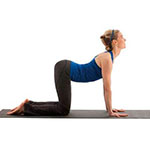 |
Dove Pose (Vajra Kapotasana)
|
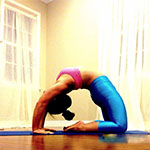 |
Easy Pose (Sukhasana)
|
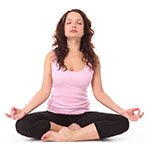 |
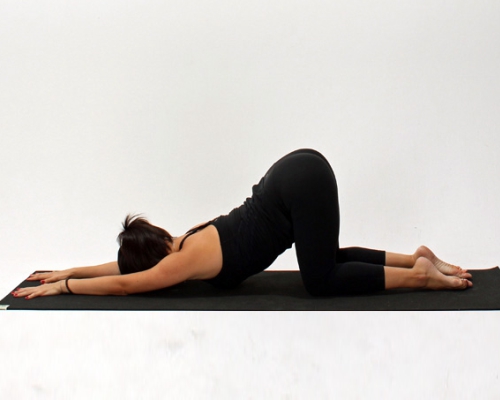
Extended Puppy Pose(Uttana Shishosana)
|
 |
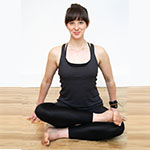
Fire Log Pose (Agni Stambhasana)
|
 |
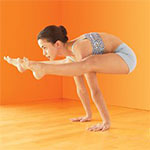
Firefly Pose (Tittibhasana)
|
 |
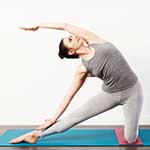
Gate Pose (Parighasana)
|
 |
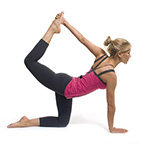
Half Bow Pose (Ardha Dhanurasana)
|
 |
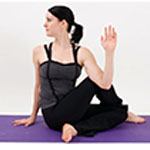
Half Lord of Fishes Pose (Ardha Matsyendrasana)
|
 |
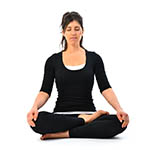
Half Lotus Pose (Ardha Padmasana)
|
 |
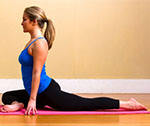
Half Pigeon Pose (Ardha Kapotasana)
|
 |
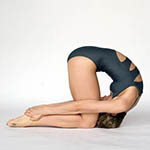
Hare / Rabbit Pose (Shashankasana)
|
 |
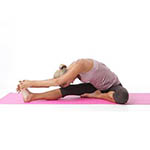
Head to Knee Pose (Janu Sirsasana)
|
 |
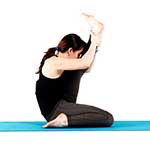
Heron Pose (Krounchasana)
|
 |
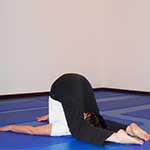
Knee to Ear Pose (Karnapidasana)
|
 |
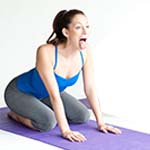
Lion Pose (Simha Vajrasana)
|
 |
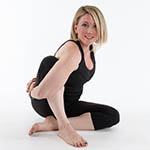
Lord of Fishes Pose (Matsyendrasana)
|
 |
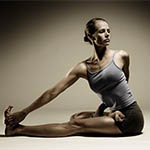
Lord of Fishes Pose II (Padma Matsyendrasana)
|
 |
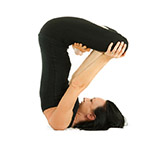
Lotus in Shoulder Stand Pose (Padma Sarvangasana)
|
 |
Lotus Pose (Padmasana)
|
 |
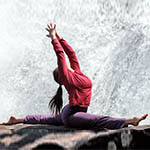
Monkey Pose (Hanumanasana / Anjaneyasana)
|
 |
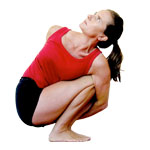
Noose Pose (Pasasana)
|
 |
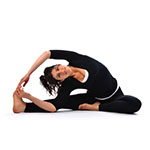
Revolved Head to Knee Pose (Parivritta Janu Sirsasana)
|
 |
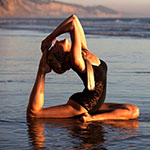
Royal / King Pigeon Pose (Raja Kapotasana)
|
 |
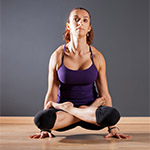
Scale Pose (Tolasana)
|
 |
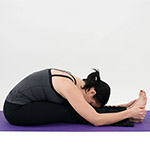
Seated Forward Bend Pose (Paschimottanasana)
|
 |
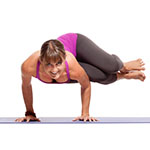
Side Crane Pose (Parsva Bakasana)
|
 |
Staff Pose (Dandasana)
|
 |
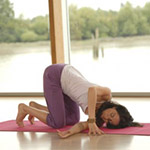
Threading the Needle (Parsva Balasana)
|
 |
Thunderbolt Pose (Vajrasana)
|
 |
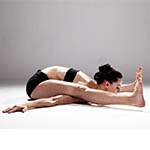
Tortoise Pose (Kurmasana)
|
 |
Upward Facing Forward Bend Pose (Urdhva Mukha Paschimottanasana)
|
 |
Dinesh Saini
Splendid
Kannan
I was looking into seated poses – thanks for this excellent post .
Nila
Awesome….Very nice compilation, especially like that you have kept all the original names of the asana listed.
Would like to see a glossary of word meaning. Ardha – Half
Hastha – Hand
KapotaH – Pigeon etc.
Leena
Awasome , Thxs for this excellent post
Kalyani
Awesome thanks to new yoga poses
sai707040192
Thank you so much.
Seema Datta
Very useful and cover good amount of asanas, thanks