
A Complete List of Arm Balance Yoga Poses
Contents
However, arm balances are relatively tougher than other yoga poses. Hence, one should practice them sparingly as a beginner and aim to first prepare your upper body well. Gradually transition to the full list given below and develop lean, strong and flexible arm muscles.
Tips for Arm balance poses
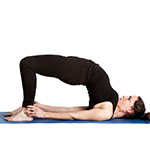
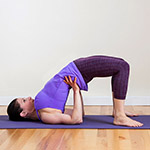
- Use a rolled soft towel to place in between your shoulder blades for better support in an inverted arm balance pose like the Bridge pose.
- Spread your fingers apart in a star and try to dig your fingers in the mat fr better grip and alignment.
- Gaze is particularly important in arm balance yoga poses due to strain on neck and shoulders. Do not attempt to look into the mirror while in these poses. It is better to record a video or ask someone to check your alignment.
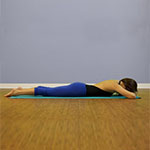
- Restorative poses for an upward extension includes poses with a rounded back like Child pose, and for inversion poses, it is the straight spine poses like the Corpse pose or Crocodile pose.
Maintaining arm, elbow and palm safety
- Always perform arm balances on a yoga mat or sand to ensure a soft cushioning beneath the palms and elbows.
- Never go in or out of these poses quickly. The movement should be gradual otherwise there is a high risk of snapping and muscle tear.
- Do a little warm up by twisting the wrists, swinging arms by the side and stretching and twisting side ways.
- Never discard the restorative poses performed at the end, as they allow the muscles to relax and come back into the initial condition.
All Poses on Arms and Shoulders (Table with benefits and pictures)
| Yoga Poses (asanas) with benefits | Pose Image |
|---|---|
Bridge Pose (Setu Bandhasana)
|
 |
Bridge Pose on Elbows (Dvapada Dhanurasana)
|
 |
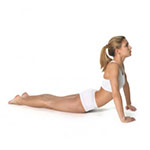
Cobra Pose (Bhujangasana)
|
 |
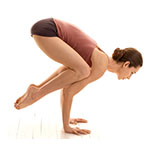
Crane / Crow Pose (Bakasana / Kakasana)
|
 |
Crocodile Pose (Makarasana)
|
 |
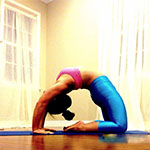
Dove Pose (Vajra Kapotasana)
|
 |
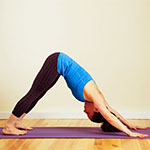
Downward Facing Dog Pose (Adho Mukha Svanasana)
|
 |
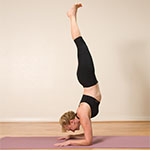
Feathered Peacock Pose (Pinch Mayurasana)
|
 |
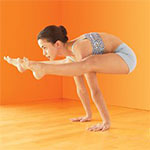
Firefly Pose (Tittibhasana)
|
 |
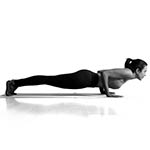
Four Limbed Staff Pose (Chaturanga Dandasana)
|
 |
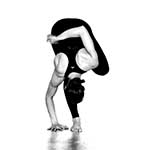
Half Bound Lotus Standing Pose (Ardha Baddha Padmottanasana)
|
 |
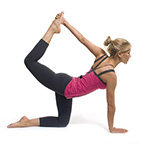
Half Bow Pose (Ardha Dhanurasana)
|
 |
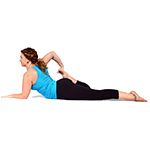
Half Frog Pose (Ardha Bhekasana)
|
 |
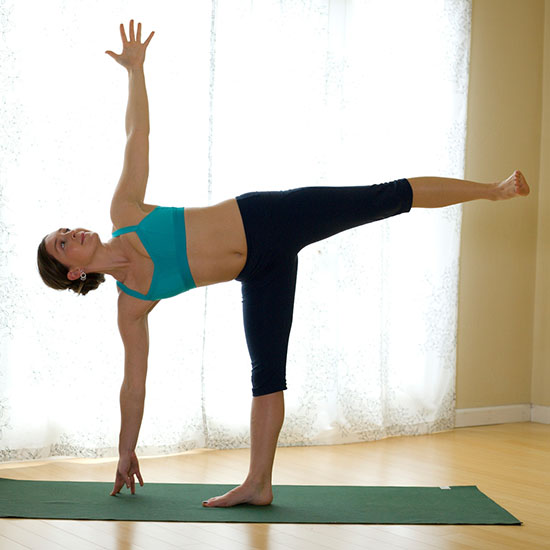
Half Moon Pose (Ardha Chandrasana)
|
 |
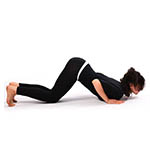
Knee-Chest-Chin Pose (Ashtanga Namaskara)
|
 |
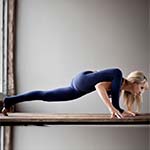
Lizard Pose (Uttana Pristhasana)
|
 |
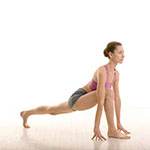
Lunge Pose (Ashva Sanchalanasana)
|
 |
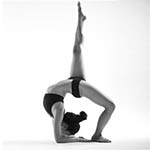
One Legged Wheel Pose (Eka Pada Chakrasana)
|
 |
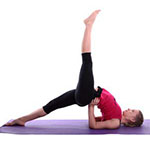
One Legged Bridge Pose (Eka Pada Setuasana)
|
 |
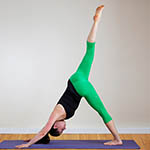
One Legged Dog / Downward Dog (Split) Pose (Eka Pada Svanasana)
|
 |
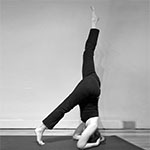
One Legged Headstand (Eka Pada Sirsasana)
|
 |
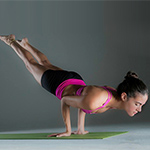
Peacock Pose (Mayurasana)
|
 |
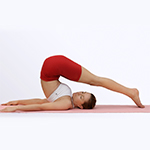
Plow Pose (Halasana)
|
 |
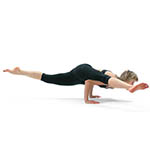
Pose Dedicated to the Sage Koundinya I (Eka Pada Koundinyanasana I)
|
 |
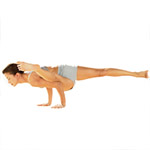
Pose Dedicated to the Sage Koundinya II (Eka Pada Koundinyanasana II)
|
 |
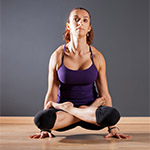
Scale Pose (Tolasana)
|
 |
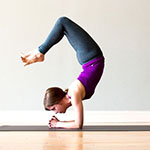
Scorpion Pose (Vrschikasana)
|
 |
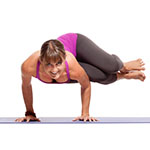
Side Crane Pose (Parsva Bakasana)
|
 |
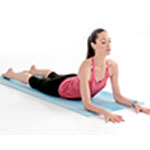
Sphinx Pose
|
 |
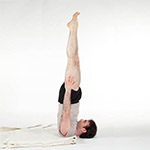
Unsupported Shoulder Stand (Niralamba Sarvangasana)
|
 |
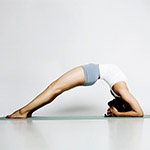
Upward Facing Two-Foot Staff Pose (Dvi Pada Viparita Dandasana)
|
 |
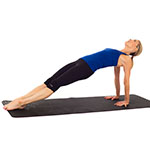
Upward Plank Pose (Purvottanasana)
|
 |
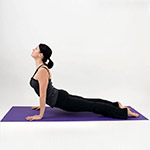
Upward-Facing Dog (Urdhva Mukha Svanasana)
|
 |
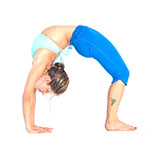
Wheel Pose (Chakrasana)
|
 |
gbodman
You call that a “complete list”? Nice list but not even close to complete.
eliakwongsliver
Totally agree
docteurmichigan
Very complete, very nice, thank you.
Ivonne Cubillos
Hello! Thanks for this information. There is a correction to make: upward-facing dog sanskrit name is Urdhva Mukha Svanasana.