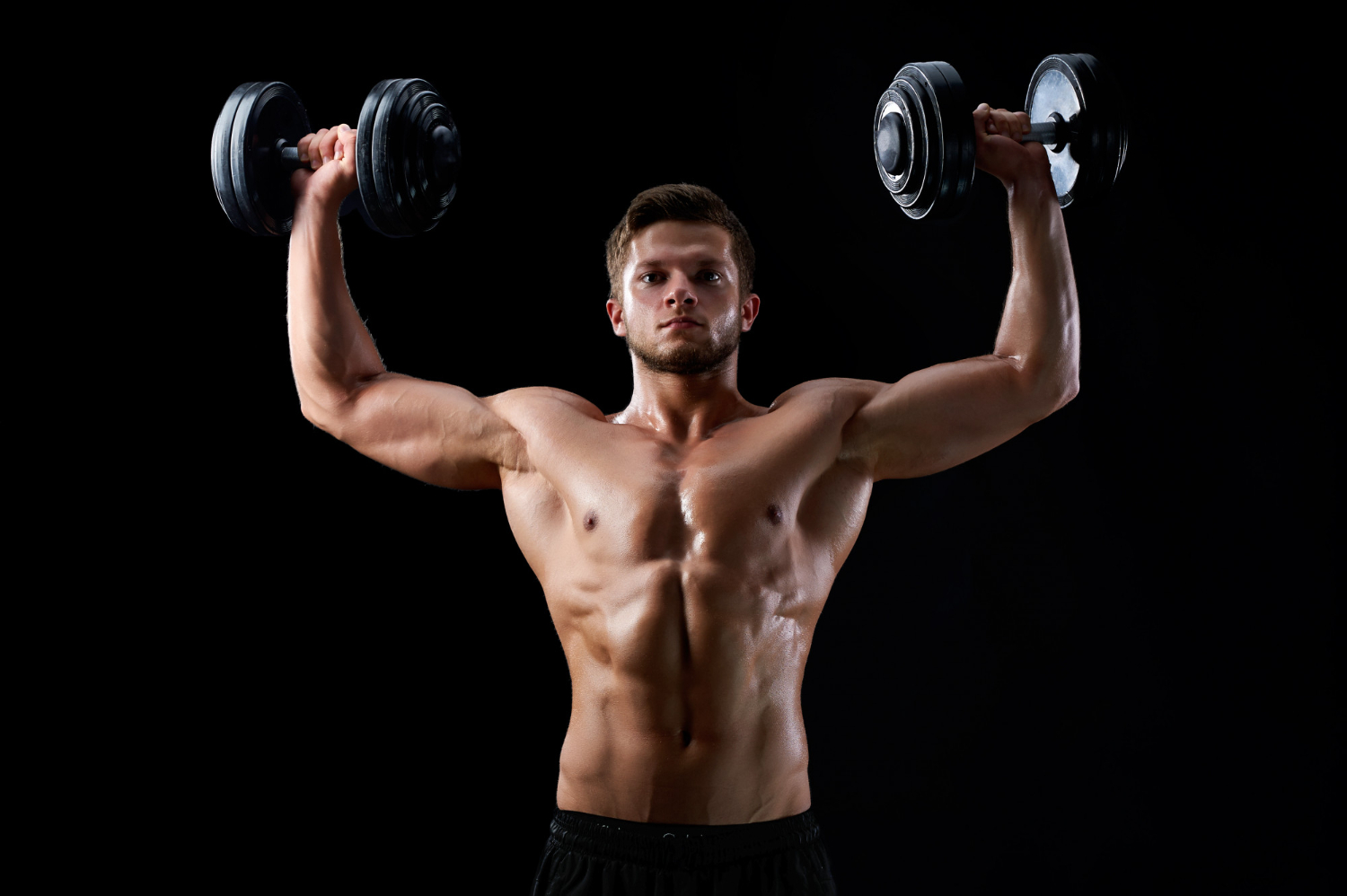
When you go to the gym, carry out your workout and then go to bed, you’ll feel just like an absolute athlete. However, the following morning, simply getting out of bed seems like solving a mathematical equation, climbing the stairs is a full-body effort and sitting in your office chair needs a well-thought-out strategy.
Trends have a fondness for complicated recovery gadgets.
Biology rarely rewards them.
We’ve all been in that situation: when you type “how to stop muscle pain” into your phone, your feed is immediately overwhelmed by advertisements for ₹15,000 massage guns, IV drips, and “smart mattresses” which claim to monitor your REM cycles.
The issue isn’t about choosing which expensive gadget you should buy. The real question is whether your method of recovery actually provides a biological stimulus that promotes cellular repair or whether it only temporarily alleviates the pain.
Let’s start by putting to rest a persistent and outdated belief. The pain you feel in your quads isn’t due to a build-up of lactic acid. In fact, lactic acid is already cleared from your bloodstream before you’ve even walked into your car after exercising. The condition you’re actually experiencing is known as Delayed Onset Muscle Soreness (DOMS).
When you lift weights or attempt a new exercise, microscopic tears are caused in the muscle fibres and the immune system acts by sending inflammatory cells to the area to clear up the mess.
Let me clarify this once more—imagine your muscles are like a highway that has been damaged by heavy trucks. The soreness you experience isn’t due to the damage itself; it’s caused by the traffic jam of construction workers (immune cells) who are repairing the road. The swelling and the chemical signalling are what cause the pain.
The Recovery System: Inputs and Constraints
What really makes a difference when you are sore after all the marketing nonsense has been removed.
| Recovery Input | What It Actually Does | What It Cannot Do |
|---|---|---|
| Deep Sleep | Sends out human growth hormone (HGH) to rebuild tissues. | It cannot be substituted by caffeine, supplements, or naps. |
| Macronutrients | Supply the physical building blocks (amino acids) and the mortar (glycogen) for repairing minor tears. | They cannot stop soreness should you overtrain severely. |
| Heat / Warmth | Causes the blood vessels to dilate (i.e. widen) so that fresh nutrients can be sent to the area. | It cannot remove “lactic acid” (as this substance has already disappeared). |
| Massage Tools | Have the effect of downregulating cytokines (the signals associated with local inflammation) and alleviate tightness. | Cannot rebuild muscle unless it has structural nutrition. |
Actionable Parameters: The 4-Step Protocol
A mattress doesn’t have to be smart; what you need is a smart biological environment. Here’s precisely how you can alleviate DOMS over the following 48 hours.
1. Prioritize Slow-Wave Sleep
Your muscles don’t develop in the squat rack; they grow in your bed. While you are asleep, especially during the deepest phase of sleep, your brain releases a quantity of growth hormone. By sleeping only five hours each night, you are neglecting your body’s main repair process. Make sure the room is completely dark, lower the temperature, and try to get seven or eight hours of sleep.
2. Eat the Scaffolding
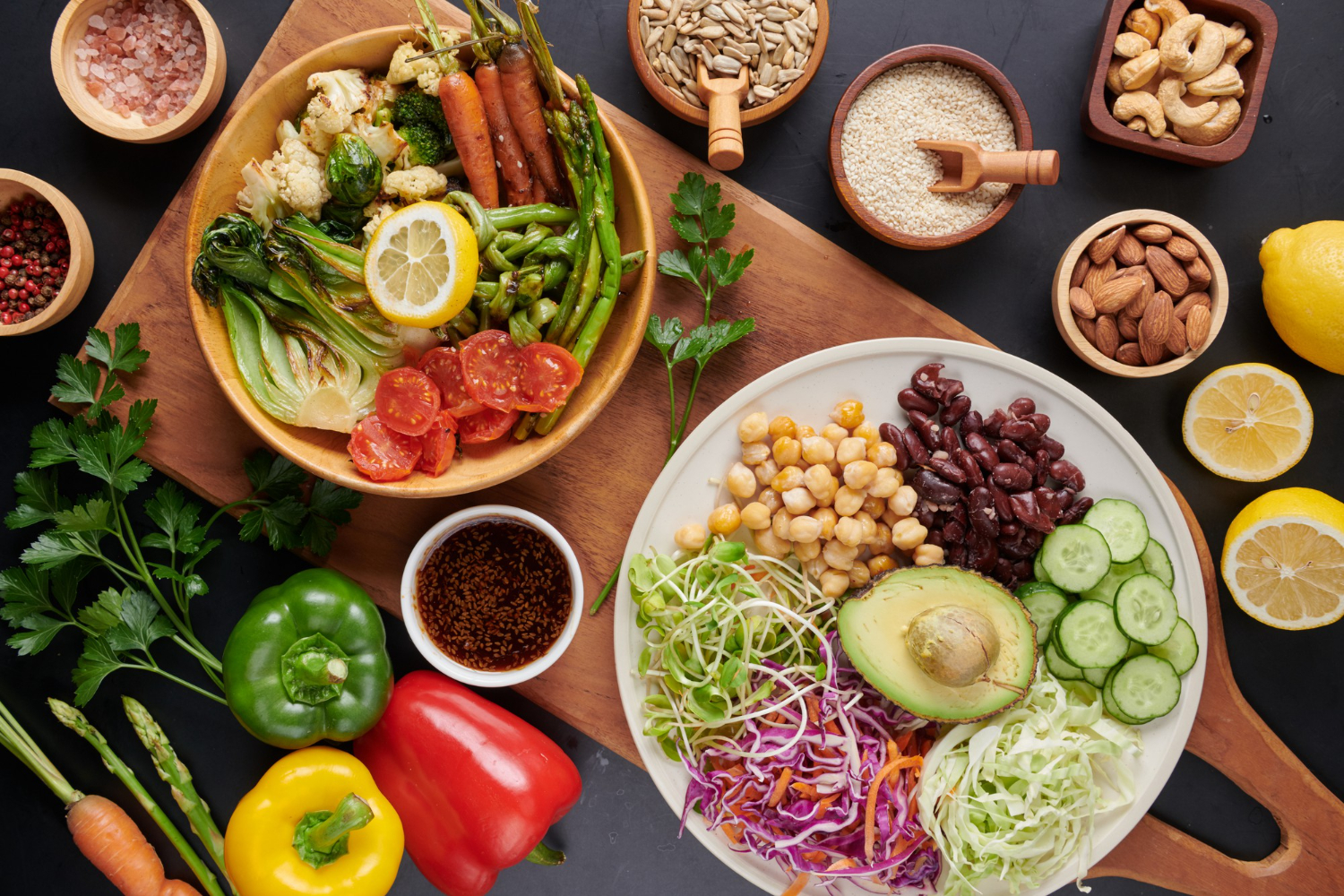
The meal that you have after working out determines how quickly your recovery takes place; if you fail to eat, your body will have no raw materials with which to repair the minor tears.
- The Bricks (Protein): Aim to have 1.5 to 2 grams of protein for each kilogram of body weight every day. You can choose between eggs, chicken, whey, paneer, or soya chunks.
- The Mortar (Carbs): You have used up the energy that was stored in your body (in the form of glycogen). Eat rice, roti, or sweet potatoes to restore it, so that your body will have the energy needed for the repairs.
3. Trigger Vasodilation
If you have a sore muscle, remaining completely still on the sofa will make the soreness worse since you need blood circulation. Have a warm bath and add a handful of Epsom salt (which is magnesium sulphate). The heat causes your blood vessels to dilate and the magnesium helps to reduce muscle contractions by means of osmotic action. Another option is to go for a 15-minute light walk. This is what we refer to as active recovery—it gets fresh blood flowing to the legs without causing any additional damage.
4. The mechanical flushing and hydration
There is evidence that manipulating the muscle tissue physically leads to a decrease in inflammatory cytokines; in this case you can either use a simple foam roller or have a sports massage. You shouldn’t make it too complicated since all you really want to achieve is to get rid of the local tightness. Combine this with adequate hydration. Protein synthesis—which is the biological process involving the rebuilding of the muscles—is dependent on water, so if you’re dehydrated the repair process comes to a halt.
Red Flags: When to Stop
It is usual to feel sore but not to be injured.
- Green Light: It is a rather dull and general kind of pain which reaches its peak after 48 hours and then disappears once you begin to move and warm up.
- Red Light: This involves a sharp, stabbing pain in a particular joint, a pain which causes you to have to limp visibly, or soreness that continues for more than 4 days. If it’s a red light, then you should stop training that muscle and visit a physio.
The Verdict
What DOMS is: A healthy and natural immune reaction to mechanical tension, indicating that your body is adapting and is developing thicker fibres.
The idea that DOMS is: an excuse to purchase ₹20,000 worth of recovery boots or an indication that your workout was ‘bad’.
You age more quickly when you attempt to overcome basic human biology by using costly shortcuts.
You age more slowly when you perfect the dull fundamental aspects of recovery.
Soreness is merely the result of the effort you’ve put in; pay the toll with sleep, food, and water and your biology will take care of the rest.